How to Identify a Good Real Estate Investment
Buying a property isn't just about finding a place to live—it can also be a long-term investment. However, not all properties offer the same investment potential.

Two nearly identical properties can experience completely different levels of value appreciation over the course of ten years.
So, how can you identify a property with strong growth potential? Here are six key factors worth evaluating before making an investment decision.
1. Property Price Growth Over the Past Few Years
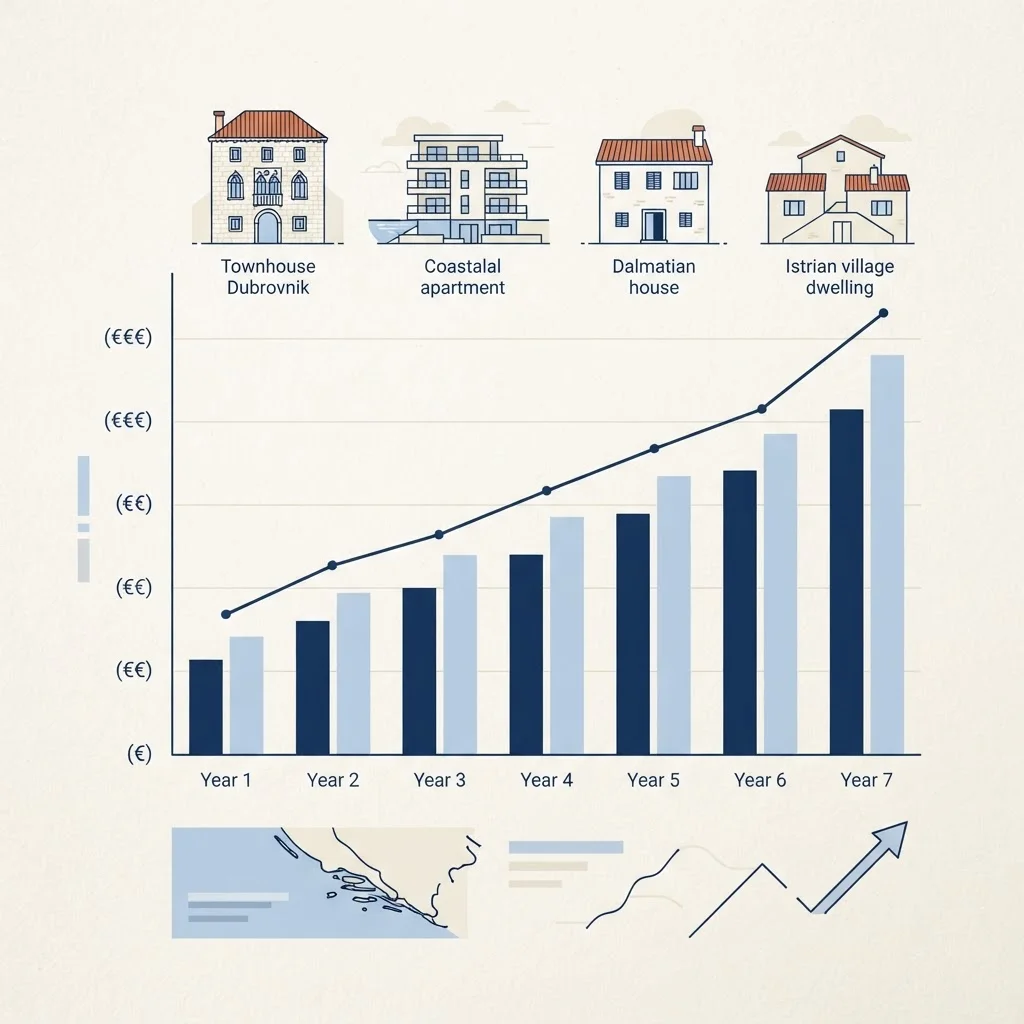
Past price growth doesn't guarantee future returns, but it can be a good indicator of demand in a particular area.
Before buying, research:
how property prices have changed over the past five to ten years
whether prices have grown steadily or experienced significant fluctuations
how the area compares with other parts of the city or region.
Consistent price growth often reflects strong long-term demand and a healthy property market.
2. Infrastructure Development
Infrastructure has a significant impact on property values.
Check whether there are plans for:
new roads
railway or tram lines
schools and childcare facilities
shopping centres
healthcare facilities
parks and recreational areas.
Improvements in infrastructure often increase the attractiveness of an entire neighbourhood, which can positively affect property prices.
3. Long-Term Rental Potential
If you plan to generate rental income, it's important to evaluate local rental demand.
Pay attention to the property's proximity to:
business districts
universities and colleges
public transport
hospitals
major employers.
Properties in areas with consistent rental demand are more likely to generate stable rental income throughout the year.

4. Tourism Potential
If you're considering buying property in a coastal area or another popular tourist destination, it's worth assessing its short-term rental potential.
Consider factors such as:
the number of tourist arrivals
the length of the tourist season
nearby attractions and amenities
transport connections
local regulations governing short-term rentals.
Keep in mind that income from holiday rentals can vary significantly depending on seasonality and changes in legislation.
5. City and Neighbourhood Development
Some of the best investment opportunities are found in neighbourhoods undergoing rapid development.
Look for:
new residential developments
expanding business districts
public space improvements
new employment opportunities
urban development plans.
Areas that seem less attractive today may become some of the city's most desirable neighbourhoods within just a few years.

6. Return on Investment (ROI)
Before purchasing a property, it's useful to estimate its expected Return on Investment (ROI).
When calculating ROI, consider:
the purchase price
renovation costs
taxes and other acquisition expenses
expected rental income
annual maintenance costs.
The cheapest property isn't always the best investment. In many cases, a more expensive property in a prime location can deliver stronger long-term returns thanks to higher demand and more stable value appreciation.
Common Mistakes Made by First-Time Property Investors
People investing in real estate for the first time often make similar mistakes:
focusing only on a low purchase price
underestimating maintenance costs
failing to research future neighbourhood development
overestimating expected rental income
not comparing multiple similar properties.
A thorough analysis before purchasing can significantly reduce investment risk.
Conclusion
Successful property investments are rarely the result of luck. Experienced investors analyse market trends, infrastructure development, rental demand, and long-term urban planning before making a decision.
If you're considering buying a property as an investment, don't focus solely on its current asking price. Future appreciation potential, rental income opportunities, and the quality of the location are equally important.
On Loko, you can compare properties across Croatia, evaluate different locations, and find investment opportunities that best match your financial goals.