How to Spot an Overpriced Property
When you find a property you like, it's important to consider whether the asking price reflects what the property actually offers.
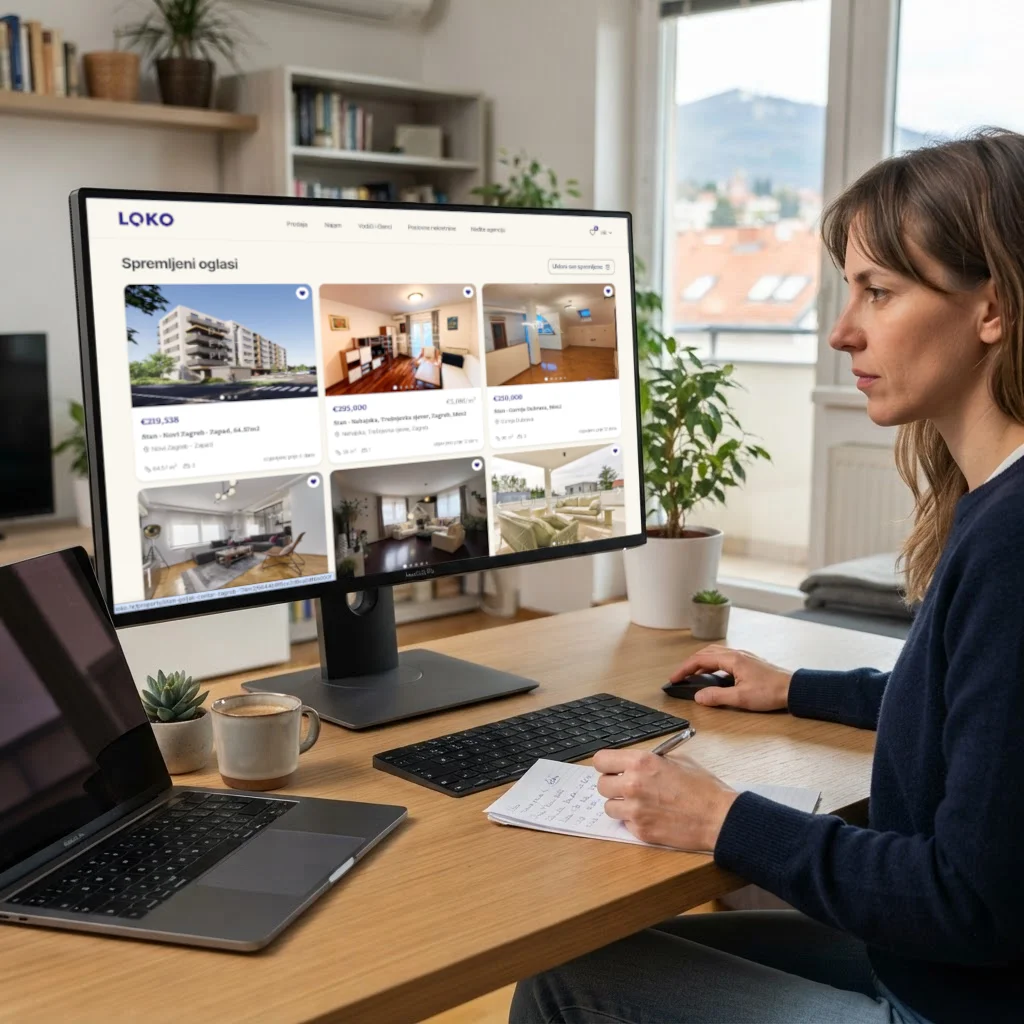
The price shown in a listing represents the seller's expectations and doesn't necessarily reflect the amount the property will ultimately sell for. There's no single indicator that tells you a property is overpriced, but several signals can help you make a more informed assessment.
1. Compare the Price per Square Metre
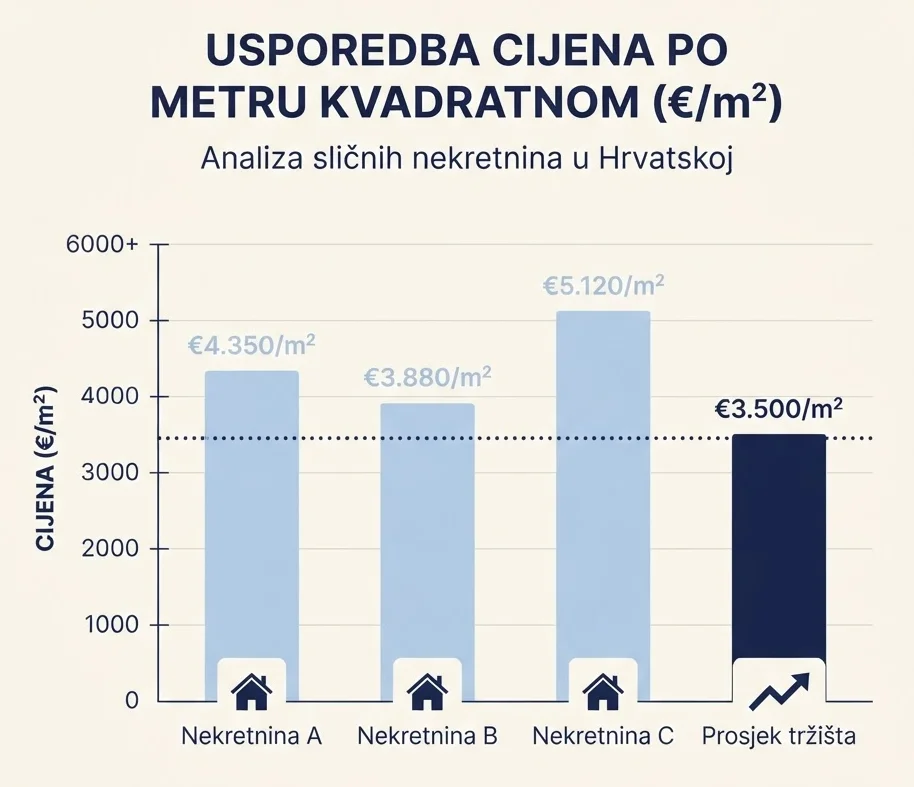
Start by comparing the price per square metre with similar properties.
Don't rely only on the average for an entire city. Compare properties with similar:
micro-locations
sizes
ages
conditions
number of rooms.
If comparable apartments are listed for between €3,000 and €3,300/m², while the property you're considering is priced at €4,000/m², find out what justifies the difference.
2. Check What You Get for the Higher Price
A property priced above the local average isn't automatically overpriced.
A higher price may be justified by a garage, private parking, terrace, high-quality renovation, better energy efficiency, an elevator, an attractive view, or a particularly desirable micro-location.
The key question is: what exactly are you getting for the difference in price?
If the property doesn't offer significant advantages over cheaper alternatives, the higher price may indicate that the seller's expectations are above the current market.
3. Check How Long the Property Has Been on the Market
If a property has been listed for months while similar properties are selling more quickly, an excessive asking price could be one of the reasons.
Several price reductions can provide another useful signal. They may indicate that the market hasn't responded to the seller's original asking price.
However, a long time on the market doesn't necessarily mean a property is overpriced. Its condition, location, documentation, or a smaller pool of potential buyers could also be responsible.

4. Include the Cost of Necessary Improvements
Don't consider only the purchase price.
If the property requires a new bathroom, replacement installations, new windows, or other major work, add the estimated renovation costs to the price.
You should also check the condition of the entire building, including the façade, roof, elevator, shared installations, and any planned major works.
For example, a €250,000 apartment requiring €40,000 in renovations represents an investment of at least €290,000, before other purchase-related costs.
5. Remember That the Asking Price Isn't the Sale Price
Property portals generally show asking prices, not final transaction prices.
A property may be listed for €300,000 but ultimately sell for less following negotiations.
For this reason, don't estimate a property's value based on a single listing. Compare several similar properties and, where available, check data on actual transaction prices.
Conclusion
The best way to identify a potentially overpriced property is to consider several factors together: price per square metre, comparable listings, property features, required investment, and time on the market.
If the price is significantly higher than comparable properties and there are no clear advantages to justify the difference, it's worth investigating further before making a purchase.
On Loko, you can compare properties from different sources in one place, making it easier to get a broader picture of prices in a particular location.
Note: Prices shown in property listings are sellers' asking prices and may differ from the final transaction prices.