How to Check Property Documentation Before Buying an Apartment
Buying an apartment is one of the biggest financial decisions you'll ever make. While location, price, appearance are all important factors, it's equally important to review all legal and technical documentation before signing a purchase agreement.

Incomplete or incorrect documentation can lead to lengthy administrative issues, make it more difficult to obtain a mortgage, or result in unexpected expenses after the purchase.
This guide explains the key documents you should always check before buying an apartment.
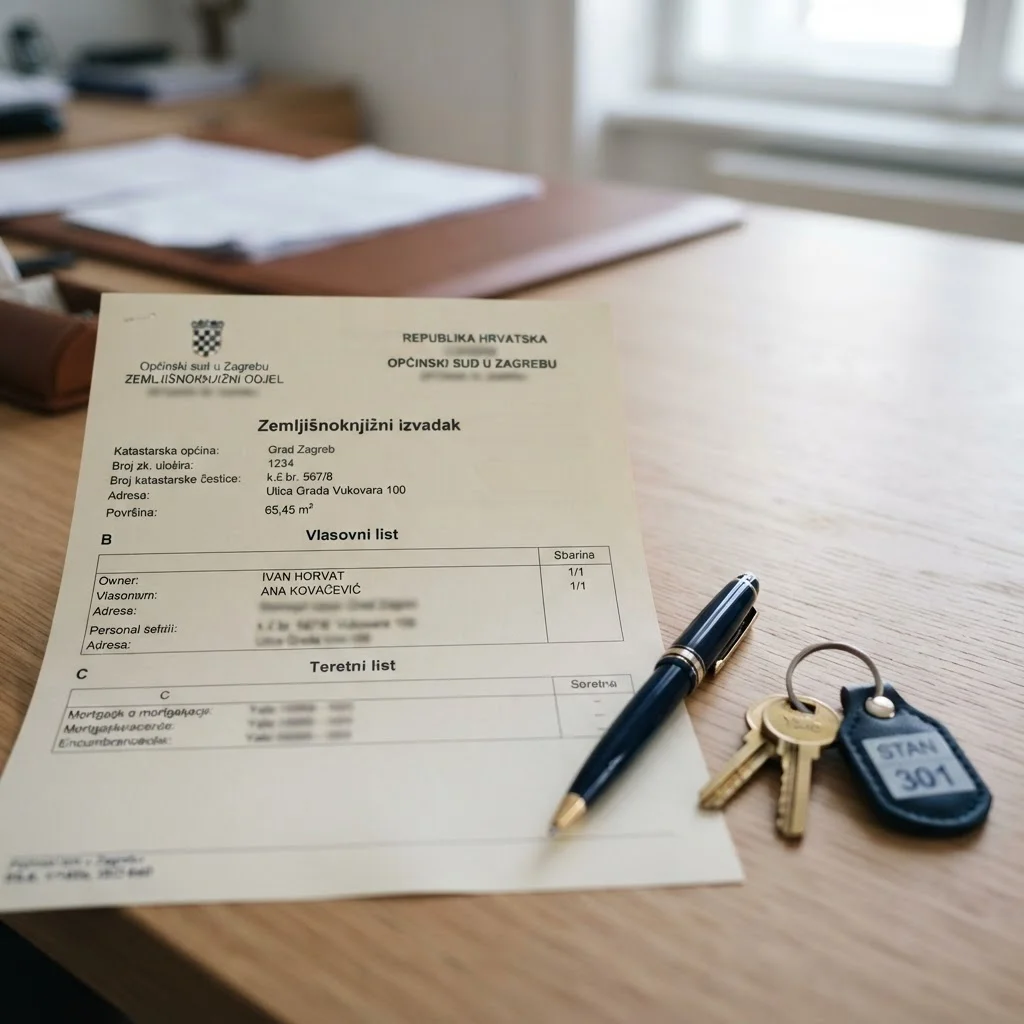
1. Title Deed
The title deed is one of the most important documents when purchasing a property. Make sure to verify:
who is registered as the legal owner
whether there are multiple owners
whether the property is subject to mortgages, liens, or other legal encumbrances
whether the property description matches its actual condition.
If there are multiple owners, the consent of all co-owners is generally required before the property can be sold.
2. Cadastral Records
The cadastral records and the land registry should be consistent with one another. Check that:
the address matches
the registered floor area is accurate
the parcel number is correct
all buildings and structures are properly recorded.
Discrepancies between cadastral records and the land registry may require additional administrative procedures before the transaction can be completed.
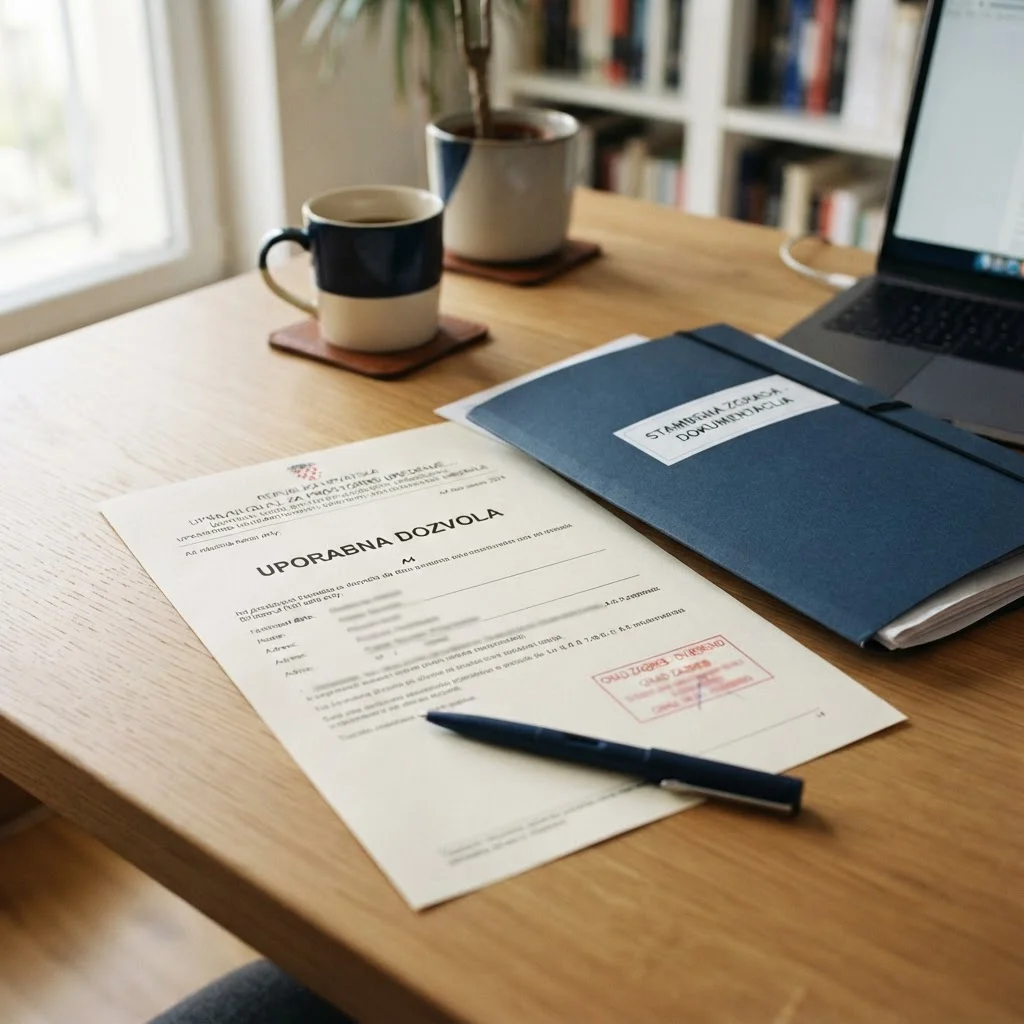
3. Occupancy Permit
For newer buildings, verify that an occupancy permit has been issued. An occupancy permit confirms that the building was constructed in accordance with the approved building permit and can legally be occupied.
Different regulations may apply to older buildings, but it's always advisable to review all available documentation.
4. Property Legality
Ensure that the apartment's actual condition matches the official documentation. Pay particular attention to:
enclosed balconies or loggias
unauthorised extensions
converted living spaces
attic or basement areas that have been converted into residential space.
Unauthorised modifications can create complications when selling the property, obtaining a mortgage, or dealing with future legalisation procedures.
5. Energy Performance Certificate
In most cases, the seller is legally required to provide a valid Energy Performance Certificate (EPC). The certificate includes information about:
the property's energy rating
estimated energy consumption
recommendations for improving energy efficiency.
It can also help you estimate future heating and cooling costs.
6. Condominium Ownership Plan (Unit Allocation Plan)
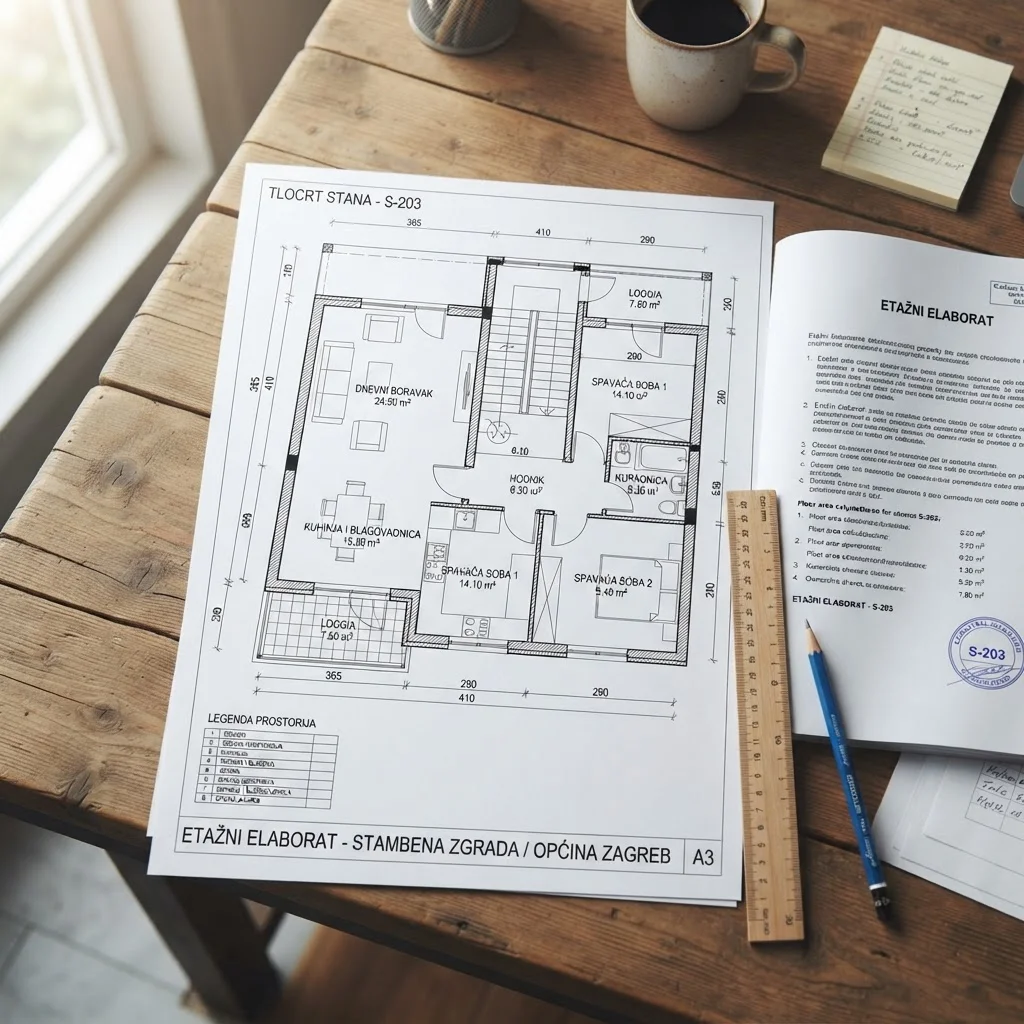
If you're purchasing an apartment in a multi-unit residential building, it's useful to review the condominium ownership plan (also known as the unit allocation plan). It will show:
the apartment's exact floor area
whether a storage room is included
whether a garage or parking space belongs to the apartment
which parts of the building are shared by all owners.
This helps avoid misunderstandings regarding ownership of individual spaces.
7. Building Maintenance Fund and Overall Condition
Your review shouldn't stop at the apartment itself—the condition of the building is equally important. Before buying, ask about:
the monthly maintenance fee
planned renovation projects
the condition of the roof and façade
the condition of the elevator and shared utility systems.
A well-maintained building can significantly reduce future ownership costs.
8. Renovation Documentation
If the apartment has been renovated, ask for documentation relating to the completed work. It's helpful to know:
when the plumbing and electrical systems were replaced
whether the windows have been upgraded
when the bathroom was renovated
whether invoices or warranties are available for the work carried out.
This documentation increases transparency and may add value when you eventually decide to sell the property.
9. Check Mortgage Eligibility
If you plan to finance your purchase with a mortgage, make sure the property meets your lender's requirements. Banks may require:
clear ownership documentation
a valid occupancy permit
a professional property valuation
proof that the property is legally compliant.
Missing documentation can delay—or even prevent—the approval of your mortgage.
10. Seek Professional Advice
If you're unsure how to verify the documentation, don't rely solely on your own judgement. Depending on your situation, consider consulting:
a lawyer
a licensed real estate agent
a surveyor or building professional.
The cost of professional advice is usually small compared to the potential financial and legal issues that may arise after the purchase.
Conclusion
Reviewing a property's documentation is just as important as viewing the apartment itself. Clear ownership, complete records, and properly maintained documentation can save you significant time, money, and stress.
Before making your final decision, verify the title deed, cadastral records, occupancy permit, legal status of the property, Energy Performance Certificate, and the overall condition of the building. If you have any doubts, seek professional advice before proceeding.
On Loko, you can compare apartments from across Croatia, and once you've found a property that interests you, this guide can serve as a practical checklist before completing your purchase.