How Long Has a Property Been on the Market, and Why Does It Matter
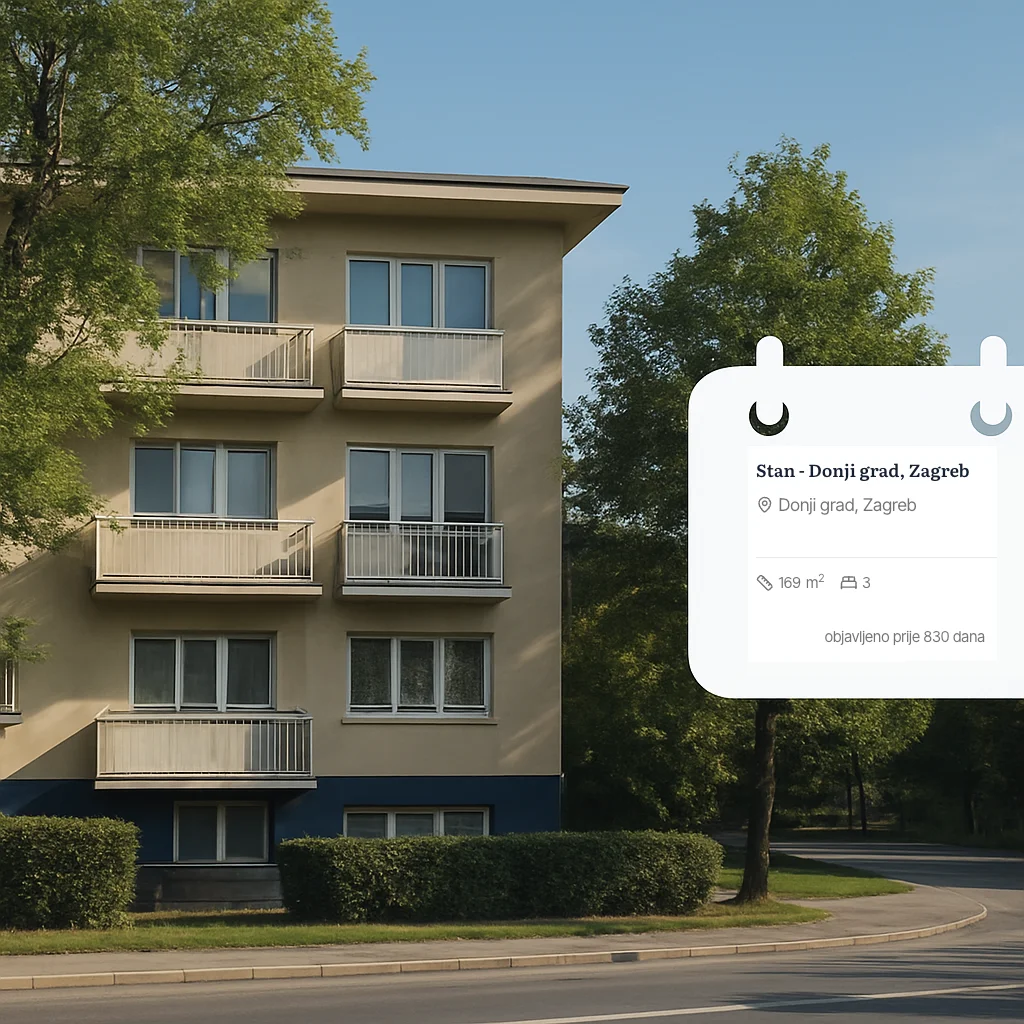
When searching for a property, we usually look first at the price, location, size, and photos. However, there's another piece of information that can be useful when evaluating a listing – how long the property has been on the market.
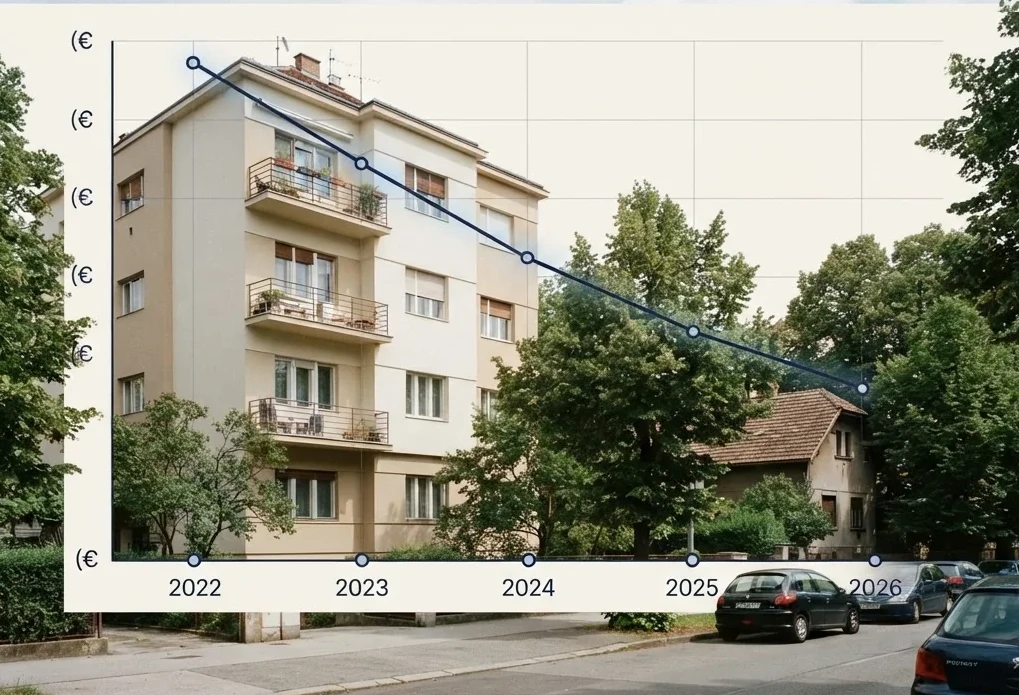
A property that's been listed for several months may raise additional questions, but it could also create an opportunity for a buyer.
What Does It Mean If a Property Has Been on the Market for a Long Time?
There's no universal rule for how quickly a property should sell. The time it takes depends on the location, price, type of property, and current demand.
If a listing has been active significantly longer than similar properties, possible reasons include:
an asking price that's too high
significant renovation requirements
a less desirable micro-location
lack of parking or other sought-after features
an unusual layout or property type
unresolved documentation issues.
However, a property being on the market for a long time doesn't automatically mean there's something wrong with it. The seller may simply be unwilling to reduce the price, or the property may appeal to a smaller group of buyers.
Compare It with Similar Properties
The age of a listing is most useful when viewed in context.
If similar apartments in the same neighbourhood are selling relatively quickly while one property has been advertised for months, it's worth investigating why.
Compare:
price per square metre
condition of the property
floor level and elevator access
parking
balcony or terrace
year of construction
micro-location.
You may find that the property is simply priced higher than comparable listings.
A Longer Time on the Market May Mean More Room for Negotiation
The amount of time a property has been on the market can also be useful when negotiating the price.
A seller who has just listed a property may be less willing to consider a lower offer. After several months without a sale, the situation may be different.
If you can support your offer with the prices of comparable properties, necessary renovation costs, or other specific factors, there may be more room for negotiation.
Of course, this doesn't mean that every seller will be willing to accept a lower price.

Pay Attention to Price Changes
Another useful signal is the history of the asking price.
If a property has been on the market for a long time and the seller has reduced the price several times, this may indicate that the original asking price didn't match market demand.
However, a price reduction doesn't necessarily mean that the property is now a good deal. The new price should still be compared with similar properties on the market.
A New Listing Doesn't Always Mean a New Property on the Market
Keep in mind that a listing's publication date isn't always the same as the date when the property was first offered for sale.
A listing may have been republished, moved to another agency, or the same property may be advertised on several property portals at the same time.
For this reason, the age of an individual listing should be treated as just one indicator rather than definitive proof of how long a property has actually been for sale.
Conclusion
The amount of time a property has been on the market can provide useful additional context about its price and demand.
If a property has been listed for a long time, compare it with similar properties and try to understand why. Sometimes you may discover an issue, sometimes an unrealistic asking price, and sometimes simply a seller who's waiting for the right buyer.
For buyers, this information can be particularly useful when assessing whether the asking price is realistic and whether there may be room for negotiation.
On Loko, you can compare properties from different sources in one place, making it easier to get a broader view of what's currently available on the market.