New Build or Older Property – Advantages, Disadvantages, and Which One to Choose
Buying a property is one of the biggest decisions you'll ever make, and one of the first questions that comes up is: should you choose a new build or an older property?
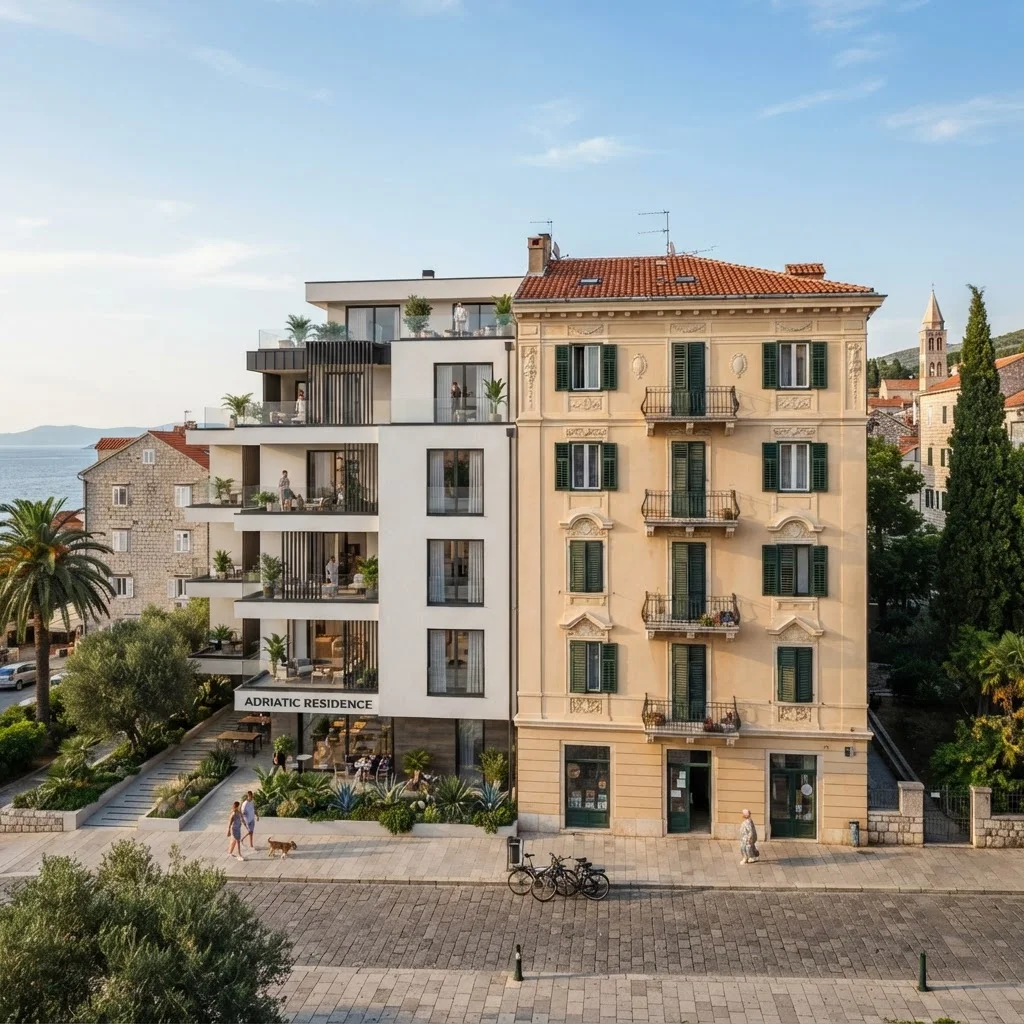
Both options have their advantages and disadvantages. New builds offer modern construction standards and lower maintenance costs, while older properties often provide better locations, larger living spaces, and well-established neighbourhoods. In this guide, we'll compare the key differences to help you make an informed decision.
1. Construction Quality
Building standards have changed significantly over the past few decades.
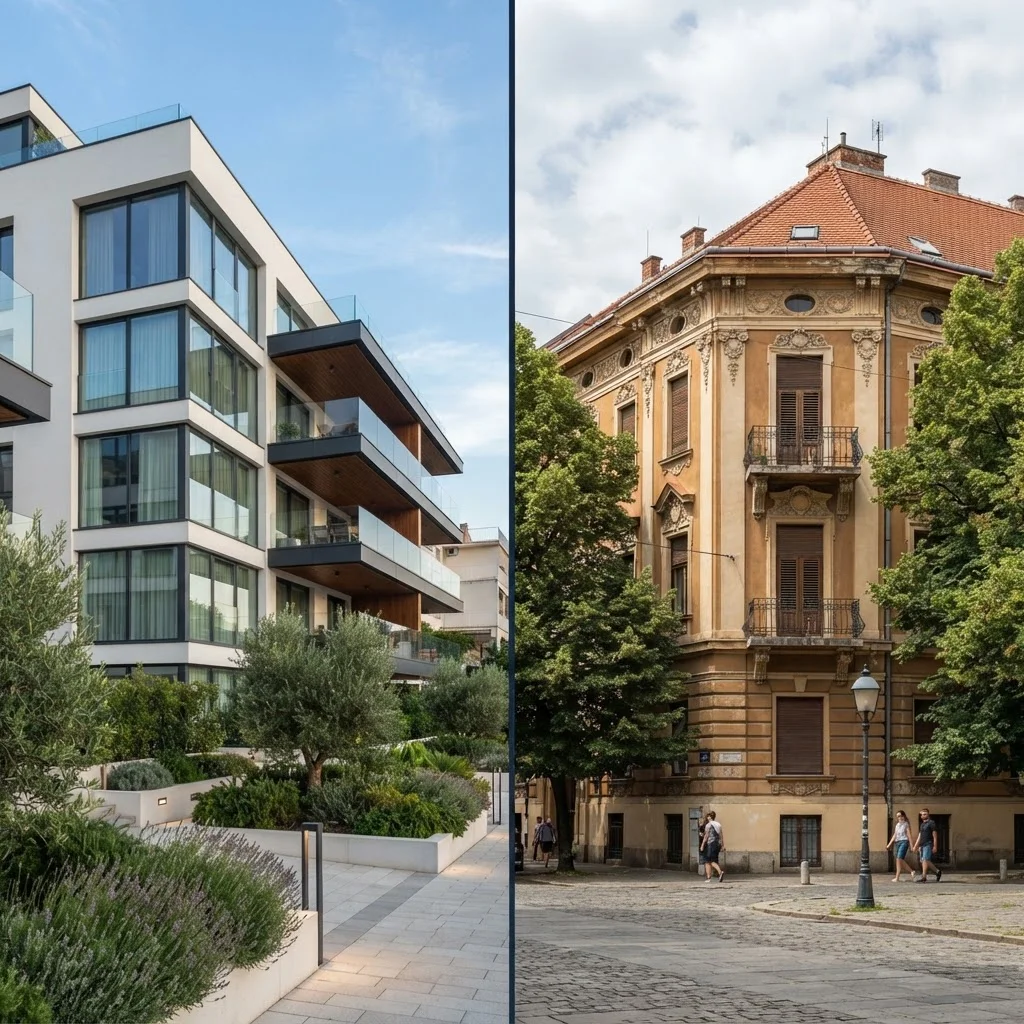
New residential developments are built according to modern building regulations, which include stricter requirements for structural safety, thermal insulation, and energy efficiency.
On the other hand, the quality of older properties can vary considerably. While many older buildings were constructed using durable materials and high construction standards, others may require additional investment due to ageing installations or structural wear.
Before buying, make sure to check:
the year of construction
the condition of the roof and façade
plumbing and electrical installations
the condition of common areas
any planned building renovations.
2. Energy Efficiency
Energy efficiency has a major impact on the long-term cost of home ownership.
New buildings usually achieve higher energy ratings, which means:
lower heating and cooling costs
better thermal insulation
modern windows and doors
more efficient heating systems.
Older properties may have a lower energy rating, particularly if the building has not undergone an energy renovation.
Before purchasing, ask to see the property's Energy Performance Certificate (EPC) to better estimate future energy costs.
3. Renovation Costs
One of the biggest differences between a new build and an older property is the amount of work required after purchase.
With a new build, major renovation work is usually unnecessary for many years.
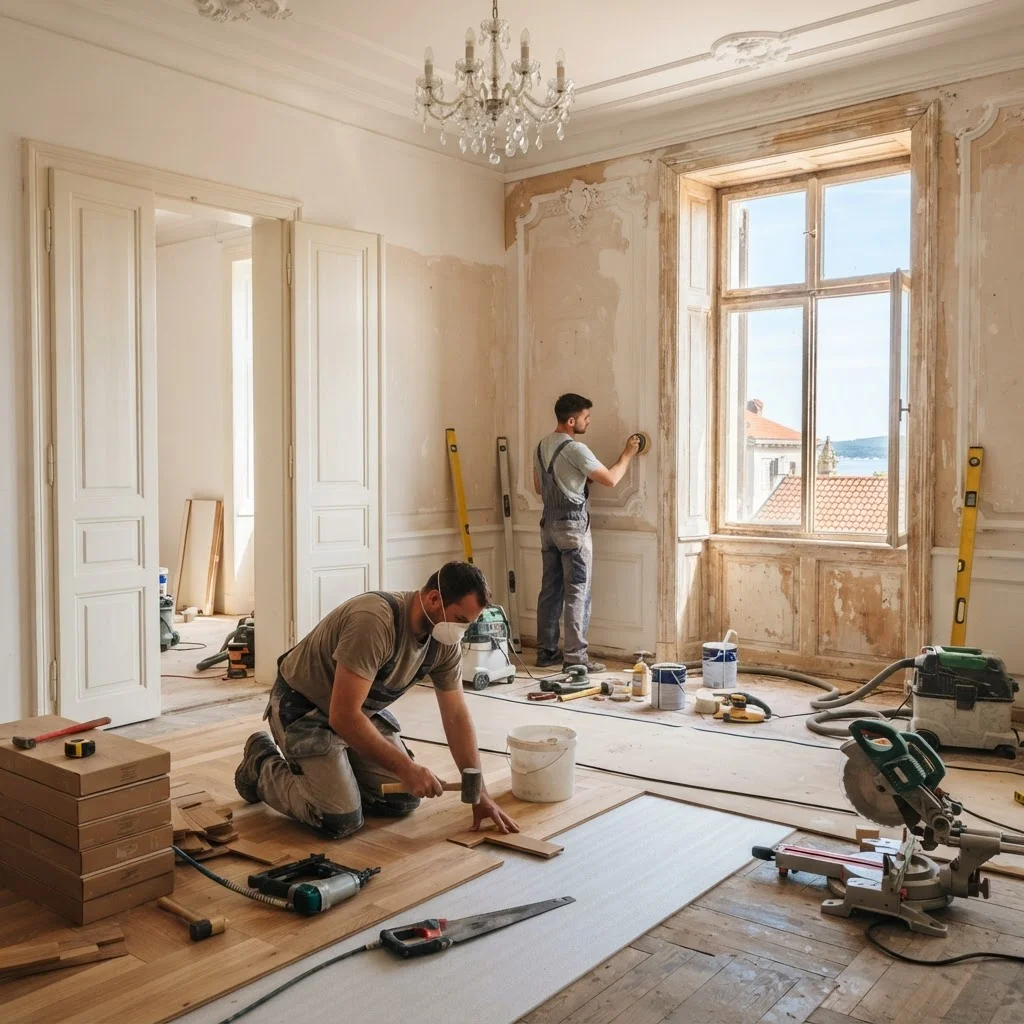
Older properties may require:
bathroom renovation
new flooring
a new kitchen
replacement of plumbing or electrical installations
repainting and general refurbishment.
If you're planning to buy an older apartment, it's a good idea to prepare a realistic renovation budget before making your decision.
4. Location
Location is often one of the main reasons buyers choose an older property.
Older apartments are more commonly located:
in city centres
in well-connected neighbourhoods
close to schools, kindergartens, and shops
in areas with well-developed infrastructure.
New residential developments are more often built in newly developed districts or on the outskirts of cities, where there is more room for expansion.
Although this may mean a longer commute to the city centre, buyers often benefit from more living space, better parking, and modern amenities.
5. Price per Square Metre
New builds almost always command a higher price per square metre.
This is largely due to:
modern construction standards
better energy efficiency
contemporary materials
elevators, underground parking, and additional amenities.
Older properties can represent excellent value for buyers looking for more living space within the same budget or those willing to renovate gradually over time.
It's important to compare the property's overall value—not just the price per square metre. Future maintenance costs, renovation expenses, and energy efficiency should all be taken into account.
6. Long-Term Value
Both new builds and older properties can be good long-term investments.
New builds typically require fewer repairs and maintenance in the years following purchase, making them attractive to future buyers.
Well-renovated older properties in desirable locations, however, can also experience significant appreciation in value over time.
The most important factors affecting long-term property value remain:
location
construction quality
overall condition of the property
surrounding infrastructure and neighbourhood development.
When Should You Choose a New Build?
A new build may be the better choice if you:
want to move in without additional renovation work
value high energy efficiency
prefer a modern floor plan
plan to live in the property for many years.
When Should You Choose an Older Property?
An older property may be the better choice if you:
want to live in the city centre or an established neighbourhood
are willing to invest in renovation
want more living space for the same budget
would like to customise the property to your own preferences.
Conclusion
There is no single solution that suits every buyer. If modern construction, energy efficiency, and moving into a ready-to-live-in home are your priorities, a new build is likely the better option.
If location, larger living space, or the potential to increase the property's value through renovation are more important to you, an older property may offer better value for your budget.
Before making your final decision, compare multiple properties, inspect their condition carefully, estimate the total cost of ownership, and consider your long-term plans.
If you've decided on a new build, Loko makes it easy to search for properties using the "New Construction" filter. This allows you to view only properties located in newly built residential developments.
An example search for new developments in Zagreb is available here. The same filter can also be applied to other cities and counties across Croatia to help you find new-build properties that match your criteria.