What to Check During a Property Viewing
A property viewing is about much more than walking through the rooms and deciding whether you like the interior.
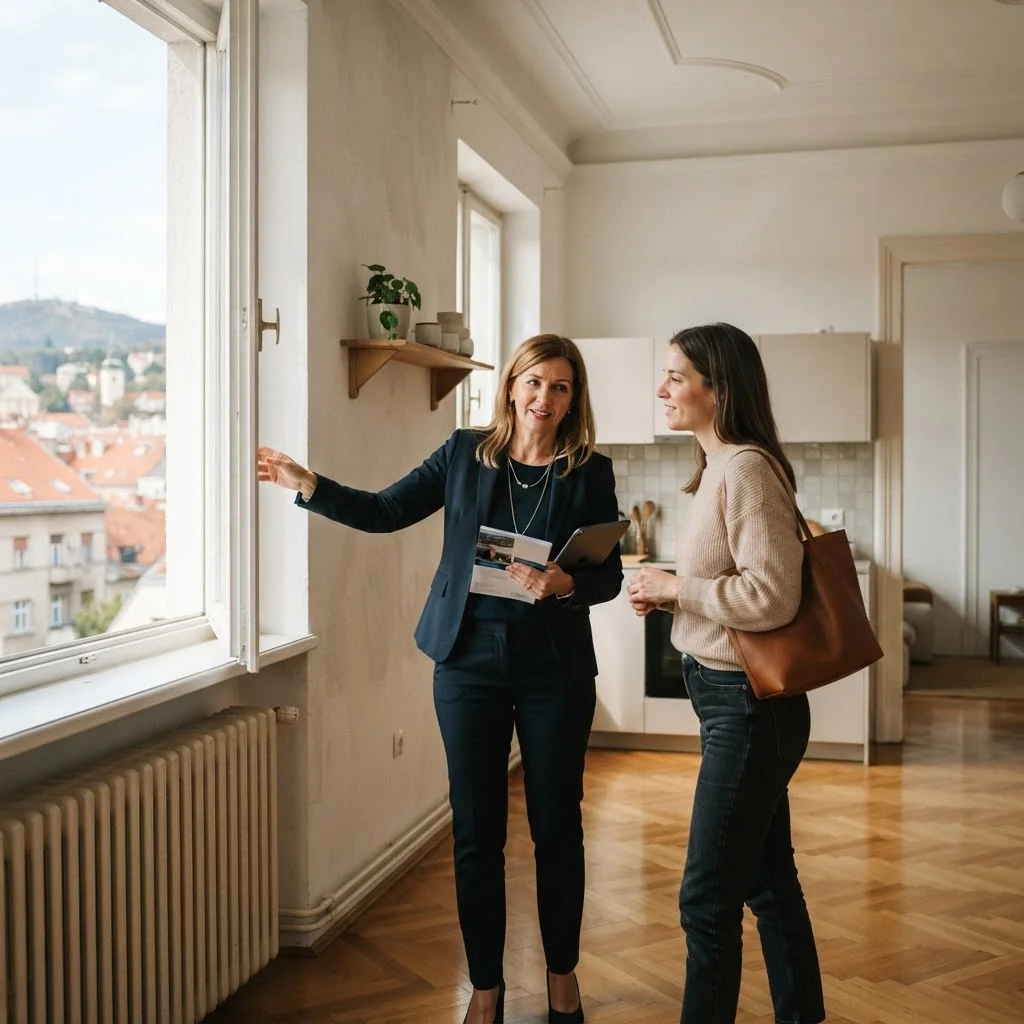
Photos in a listing can create an excellent first impression, but it's only during an in-person viewing that you can spot details that may affect your quality of life and the overall cost of ownership in the long term.
To make sure you don't overlook anything important, it's helpful to prepare a checklist in advance. Here are the key things to look out for.
1. Overall Condition of the Property
Before focusing on individual details, take a look at the overall condition of the property.
Pay attention to:
how well the property has been maintained
the quality of the finishes and materials
visible signs of damage
general cleanliness and upkeep.
A well-maintained property can often tell you a lot about how it has been cared for over the years.
![Example of a well-maintained living room]](https://images.ctfassets.net/wfjhzt8pb24o/4mTaDYCsfZs2FeswwztypU/da001407f94a8cc4a45e29a366d3c2e8/dobro-odrzavan-dnevni-boravak.webp)
2. Walls, Ceilings, and Floors
Inspect each room carefully.
Check for:
cracks in walls or ceilings
signs of damp or mould
uneven floors
damaged wooden flooring or tiles.
Minor cosmetic imperfections are common, but more significant damage may indicate underlying problems that require further investigation.
3. Windows and Doors
Open and close several windows and doors during the viewing.
Check:
whether they open and close properly
the condition of the seals
whether there is condensation between window panes
the overall condition of the interior and exterior joinery.
Good-quality windows can make a significant difference to both thermal and sound insulation.
4. Natural Light and Orientation
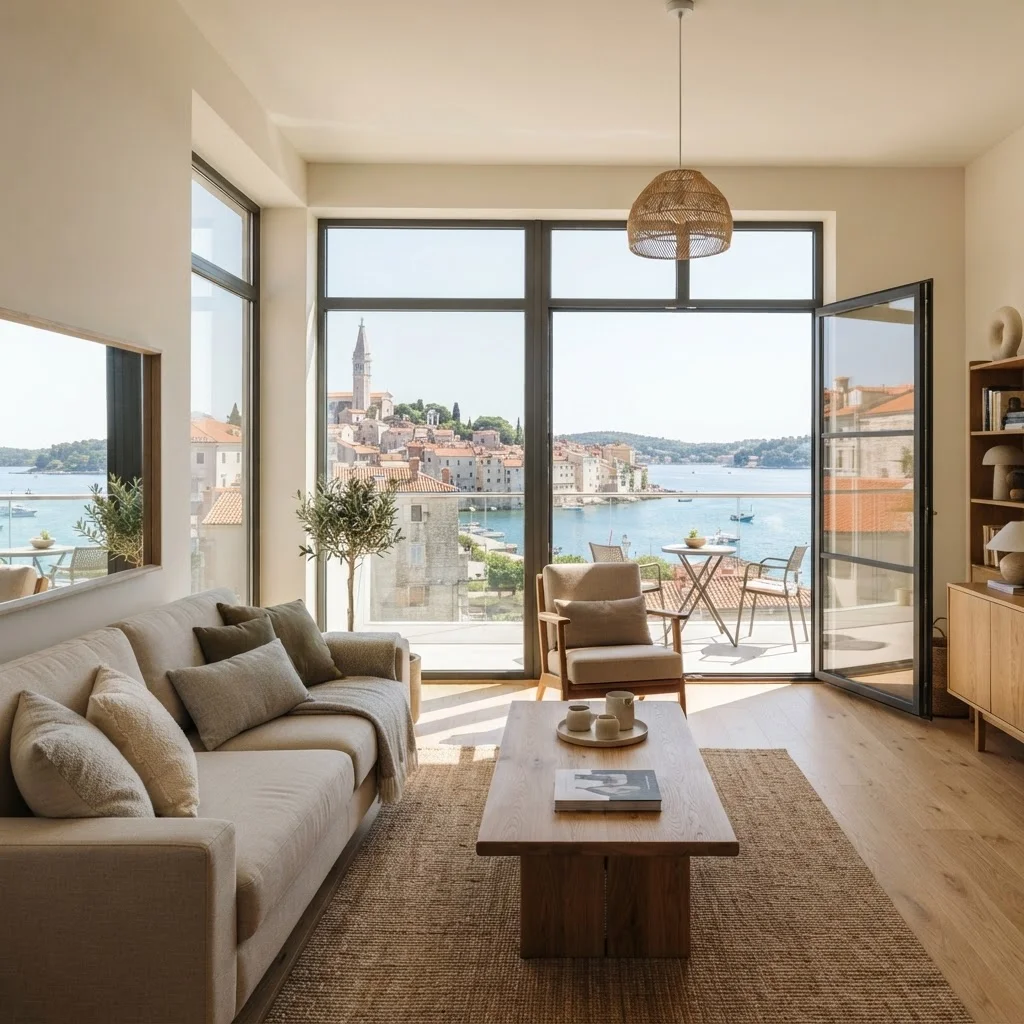
The amount of natural light can have a major impact on how comfortable a property feels.
Pay attention to:
the property's orientation
how much daylight each room receives
the view from the windows
privacy in relation to neighbouring buildings.
If possible, visit the property at different times of the day to get a better understanding of the natural light.
5. Utilities and Installations
Although you may not be able to inspect all systems in detail during a viewing, you can still check some basic things.
Try:
turning on the taps and checking the water pressure
flushing the toilet
testing electrical outlets, if possible
switching on the lights
checking the heating and air-conditioning systems.
It's also worth asking when the electrical, plumbing, heating, and other systems were last renovated or replaced.
6. Noise Levels
During the viewing, take a moment to listen to your surroundings.
Pay attention to:
traffic from nearby roads
noise from neighbouring apartments
nearby restaurants, bars, or other businesses
railway lines or other potential sources of noise.
If a quiet environment is important to you, consider visiting the area again in the evening or during peak traffic hours.
7. The Building and Common Areas
If you're buying an apartment, don't focus exclusively on the apartment itself.
Take a look at:
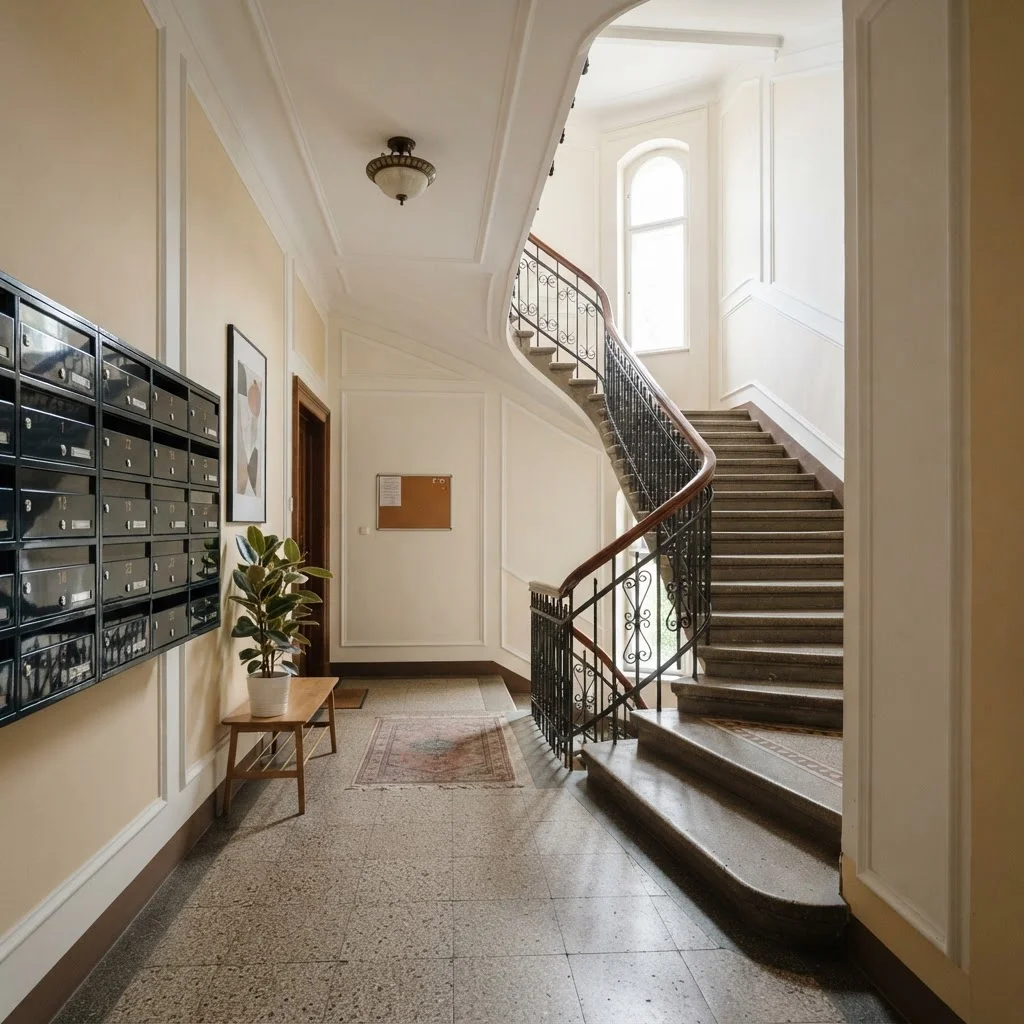
the building entrance
staircases
the elevator
basement or storage areas
parking facilities
the condition of the façade and roof, where visible.
A well-maintained building can mean fewer unexpected expenses in the future.
8. The Neighbourhood
Location is about more than an address.
Walk around the neighbourhood and check the availability of:
shops and supermarkets
schools and childcare facilities
public transport
parks and green spaces
road connections
local amenities.
If you're planning to live in the property for many years, the quality of the neighbourhood can be just as important as the property itself.
9. Ask the Right Questions
A viewing is also an opportunity to gather information that may not be included in the listing.
Consider asking:
How long has the property been on the market?
Why is the property being sold?
When were the utilities and installations last replaced?
What is the monthly building maintenance fee?
Are any major building renovations planned?
Is any furniture included in the sale?
The answers can provide valuable context and help you make a more informed decision.
10. Don't Make a Decision Immediately
If you really like the property, try not to feel pressured into making an immediate decision.
After the viewing:
compare it with other properties
review any photos you took, if photography was permitted
check the property documentation again
calculate the total purchase and future maintenance costs.
Buying a property is a long-term decision, so it's worth taking enough time to compare your options carefully.
Conclusion
A good property viewing isn't just about deciding whether you like the way a home looks. It's equally important to consider the condition of the building, utilities and installations, noise levels, the neighbourhood, and any details that could affect your quality of life or future expenses.
Prepare a checklist of questions and things to inspect before each viewing. A systematic approach will make it easier to compare multiple properties and make a more informed decision.
On Loko, you can easily compare apartments and houses from across Croatia and find a property that best matches your needs. Once you've arranged a viewing, this guide can serve as a practical checklist to take with you.