A Guide to Taxes and Costs When Buying Property in Croatia
The price shown in a property listing isn't the only cost you should consider when buying real estate in Croatia.

Property transfer tax, notary fees, land registry costs, agency fees, legal services, and financing costs can all increase the total amount required to complete a purchase.
For international buyers in particular, it's important to understand these additional costs before beginning a property search.
This guide covers the main taxes and expenses you should consider when buying a property in Croatia.
1. Property Transfer Tax
When purchasing a property that isn't subject to VAT, the buyer generally pays real estate transfer tax at a rate of 3%.
The tax base is the market value of the property at the time of acquisition.
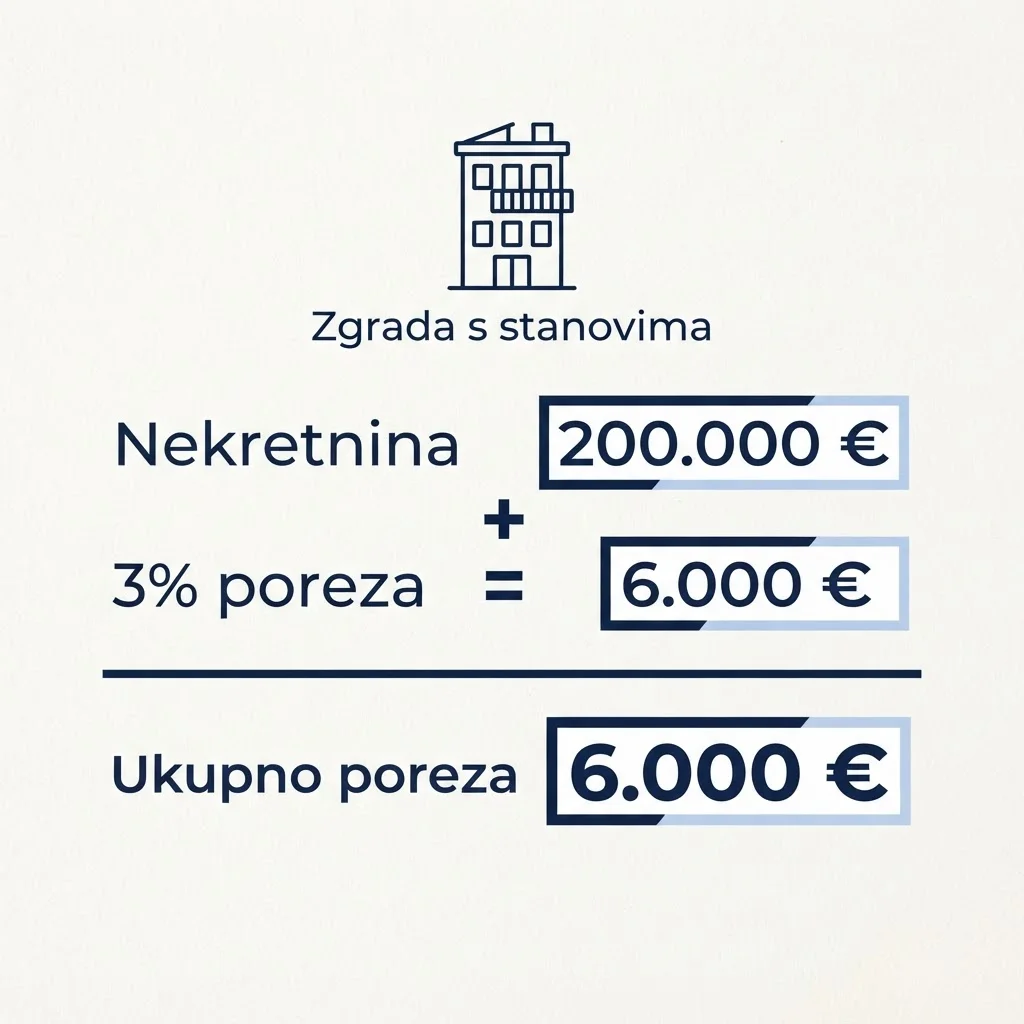
For example, if the market value of a property is €200,000, the 3% property transfer tax would amount to:
€200,000 × 3% = €6,000
It's important to understand that the tax isn't necessarily calculated solely on the purchase price stated in the contract.
The relevant tax base is the market value of the property. If the Croatian Tax Administration determines that the contractual price doesn't reflect the property's market value, it may determine a different taxable value.
2. What If You're Buying a New-Build Property?
The tax treatment can be different when buying a new-build property.
If you purchase a property from a developer who is registered for VAT and VAT applies to the transaction, the buyer doesn't additionally pay real estate transfer tax on the same acquisition.
VAT is generally already included in the purchase price paid to the developer.
When considering a new-build property, check:
whether VAT is included in the advertised price
whether a garage or parking space is included in the price
whether there are additional charges for equipment, finishes, or upgrades
exactly what is included in the agreed purchase price.
This is particularly important when comparing the total cost of a new-build property with an older property.
3. Buying a New Build? Check the Developer's Documentation
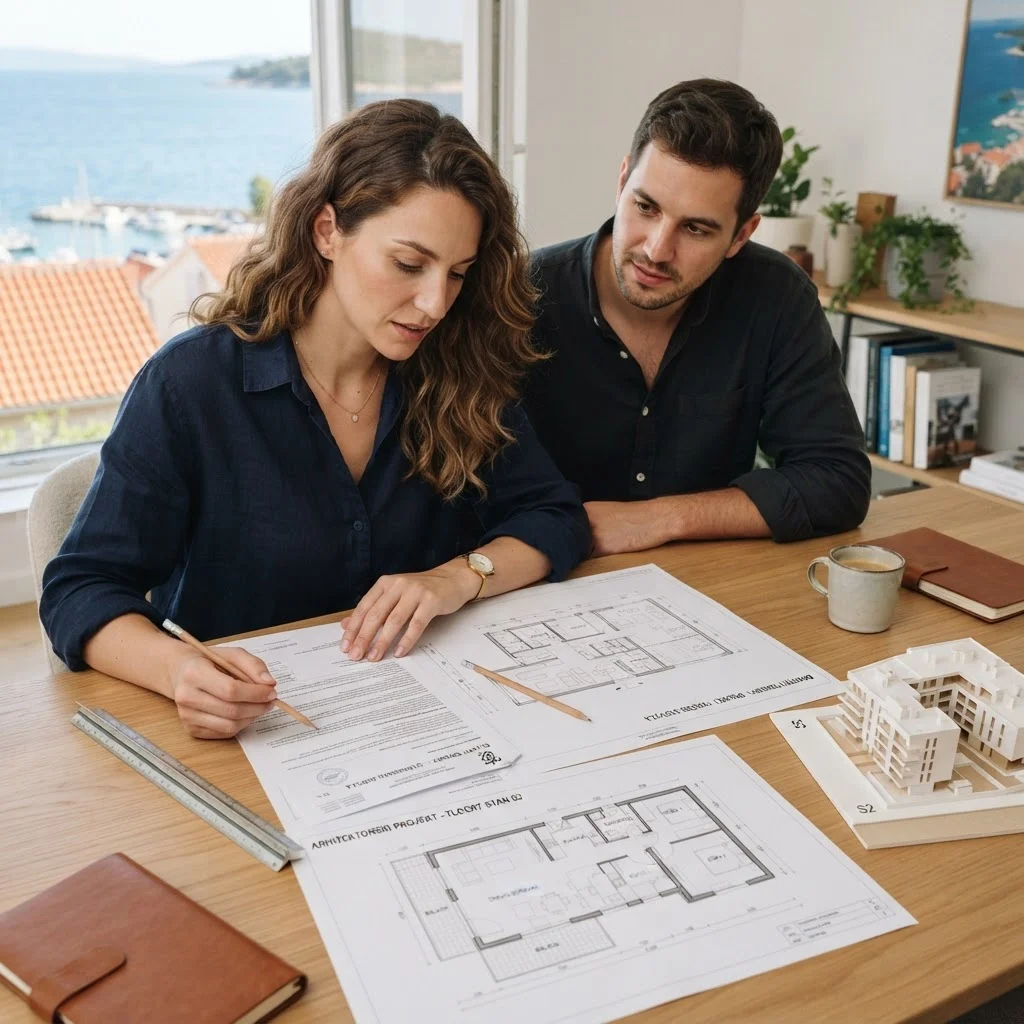
If you're buying an apartment that's still under construction, it's important to check the project's documentation in addition to the price and tax treatment.
According to Croatia's official government information portal, the developer must allow you to inspect the enforceable or final building permit, or another appropriate construction authorisation.
It's also advisable to request access to the main project documentation, which forms part of the building permit.
This allows you to better understand what has been approved for construction and whether the property you're purchasing corresponds with the approved plans.
Why Is the Use Permit Important?
In addition to the building permit, another important document is the use permit.
A building cannot obtain a use permit if it has been constructed contrary to the conditions specified in the building permit or other relevant construction authorisation.
If you're purchasing a completed new-build property, check whether the building has a use permit.
If you're buying while the property is still under construction, ask the developer about the process and expected timing for obtaining the use permit once construction is completed.
Check the Energy Performance Certificate
The developer or building owner is also required to obtain an Energy Performance Certificate before the use permit is issued, subject to applicable legal exceptions.
An Energy Performance Certificate provides information about the building's energy performance and is generally valid for 10 years from the date of issue.
Before buying a new-build property, check at least:
the building permit or other relevant construction authorisation
the main project documentation
the use permit, if the building has been completed
the Energy Performance Certificate.
4. Notary Costs
Buying a property in Croatia may involve various notary costs.
Depending on the transaction and the documents involved, these may include:
certification of signatures on the purchase agreement
solemnisation of certain agreements or documents
certification of statements and other documents
preparation or certification of copies of documents.
If you're financing the purchase with a mortgage, additional notary costs may arise in connection with the bank's documentation and the registration of a mortgage over the property.
The exact cost depends on the transaction and the documents that need to be prepared or certified, so it's advisable to confirm the expected fees before signing the purchase agreement.
5. Land Registry and Ownership Registration
Before buying a property in Croatia, it's essential to check the land registry extract.
The Croatian land registry records ownership and certain other rights and encumbrances relating to real estate.
Before completing the purchase, check:
who is registered as the owner
whether there are multiple owners
whether there is a mortgage over the property
whether there are registered notices, rights, or other encumbrances
whether the description of the property corresponds with the property you're buying.
After the purchase, the new owner's title needs to be registered in the land register.
Make sure that the purchase documentation contains everything necessary to allow you to register your ownership once the contractual conditions have been fulfilled.

6. Real Estate Agency Fees
If you're buying through a real estate agency, check whether you're required to pay an agency fee and under what conditions.
The amount and method of calculation depend on the agency and the brokerage agreement.
Before proceeding with a purchase, check:
whether the buyer pays a commission
how the commission is calculated
whether VAT is included in the quoted fee
which services are included
when the fee becomes payable.
Don't assume that the seller is always responsible for the agency fee. Clarify the arrangement with the agency before making an offer or signing any agreement.
Any agency fee payable by you should be included in your total purchase budget.
7. Mortgage and Financing Costs
If you're financing your Croatian property purchase with a mortgage, there may be additional costs associated with the loan.
Depending on the bank and the type of financing, these can include:
property valuation
notary costs
costs associated with registering a mortgage
property insurance
other fees associated with the loan.
Mortgage availability and lending conditions can also differ for foreign buyers, particularly depending on your country of residence, income, and the location of your employer.
If you plan to use financing, it's therefore advisable to investigate your options before making a binding offer on a property.
When comparing mortgage offers, don't look only at the nominal interest rate. Consider the Annual Percentage Rate (APR) and the total amount you'll repay over the full term of the loan.
8. Legal Due Diligence
For international buyers, independent legal due diligence can be particularly valuable.
A lawyer can help check:
ownership
mortgages and other encumbrances
the purchase agreement
building and property documentation
whether the property corresponds with official records
the conditions that need to be satisfied before payment and transfer of ownership.
This can be especially important if you're unfamiliar with the Croatian property purchasing process or don't speak Croatian.
Legal costs vary depending on the lawyer, the complexity of the transaction, and the services required, so ask for an estimate in advance.
9. Renovation and Furnishing Costs
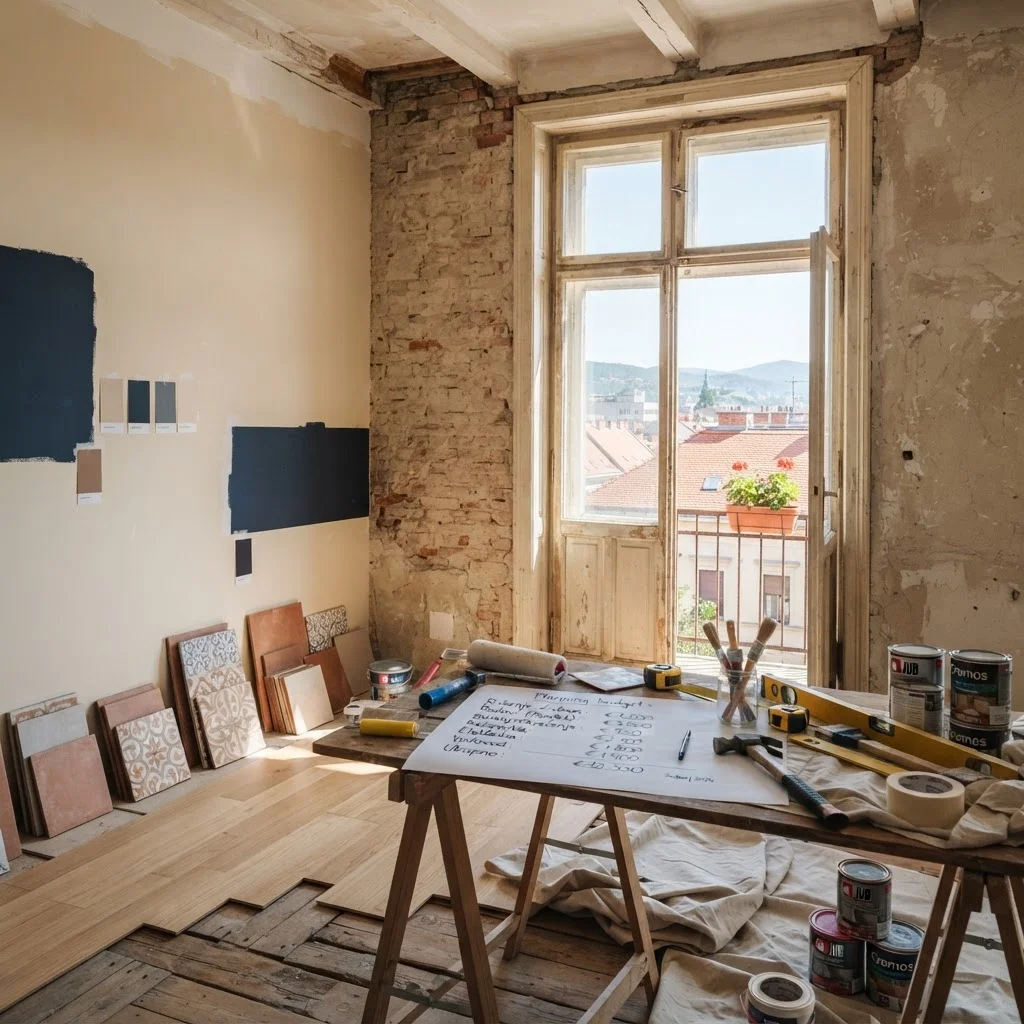
Even if a property is technically ready to move into, additional expenses often follow the purchase.
These may include:
painting
a new kitchen
bathroom renovation
flooring
replacement of electrical or plumbing installations
furniture
lighting
air conditioning
household appliances.
For older properties in particular, it's important to estimate renovation costs before completing the purchase.
For example, a property costing €180,000 that requires another €40,000 in renovation represents an investment of at least €220,000 before taxes and other transaction costs are taken into account.
10. Building Reserve, Utilities, and Ongoing Costs
Your expenses don't end once you become the owner.
If you're buying an apartment, ask about:
the monthly building reserve contribution
planned works on the building
heating costs
electricity consumption
water and other utilities
property insurance.
The building reserve, known in Croatian as pričuva, is used to finance the maintenance and repair of common parts of residential buildings.
It's particularly important to find out whether major works are planned, such as repairs or renovation of the:
roof
façade
shared installations
elevator.
An apartment that initially appears inexpensive can have considerably higher long-term costs if the building requires substantial work.
Example of a Property Purchase Budget
Suppose you're buying an existing apartment with a market value of €200,000 and the purchase is subject to real estate transfer tax.
A basic calculation could look like this:
Purchase price: €200,000
Property transfer tax (3%): €6,000
Notary costs: Depends on the transaction
Ownership registration: Depends on the procedure
Agency fee: If applicable
Legal fees: If you use a lawyer
Mortgage costs: If financing the purchase
Renovation and furnishing: Depends on the property
If your total available budget is €200,000, it therefore isn't advisable to automatically search for properties with an asking price of up to the full €200,000.
Part of your budget should be reserved for the additional costs associated with the purchase.
How Much Extra Should You Budget?
There isn't a single percentage that applies to every property purchase in Croatia.
The final cost can vary significantly depending on:
whether you're buying a new build or an existing property
whether the purchase is subject to property transfer tax or VAT
whether you're using a mortgage
whether you're paying an agency fee
whether you use a lawyer
whether the property requires renovation.
For this reason, it's better to prepare an individual calculation before beginning a serious property search.
Include:
the maximum purchase price
applicable taxes
financing costs
legal and administrative costs
agency fees, if applicable
renovation costs
furnishing costs
a reserve for unexpected expenses.
This will give you a much more realistic idea of the property price you can actually afford.
Conclusion
When buying property in Croatia, the asking price is only one part of the overall cost.
Property transfer tax, notary fees, financing costs, agency fees, legal due diligence, renovation, and future maintenance costs can all affect the true cost of your purchase.
If you're buying a new-build property, make sure you also check the building permit, main project documentation, use permit, and Energy Performance Certificate.
For international buyers, it's particularly important to verify the property's ownership and legal status and to understand exactly which taxes and transaction costs apply before signing a purchase agreement.
Before beginning your search, define your maximum total budget and deduct the expected additional costs. This will give you a much more realistic price range for the properties you can afford.
On Loko, you can compare properties from across Croatia by price, location, size, and other features, helping you find a property that fits both your requirements and your overall budget.
Note: Tax rules, administrative fees, lending conditions, and other costs can change. The information in this guide reflects rules available in August 2026 and is intended as general information rather than legal, tax, or financial advice. International buyers should verify the rules applicable to their individual circumstances with the relevant Croatian authorities and, where appropriate, an independent legal or tax professional.