Why Are Some Property Locations More Expensive Than Others
Why are some property locations more expensive? Explore how demand, amenities, transport, infrastructure, views and neighbourhood development affect property prices.
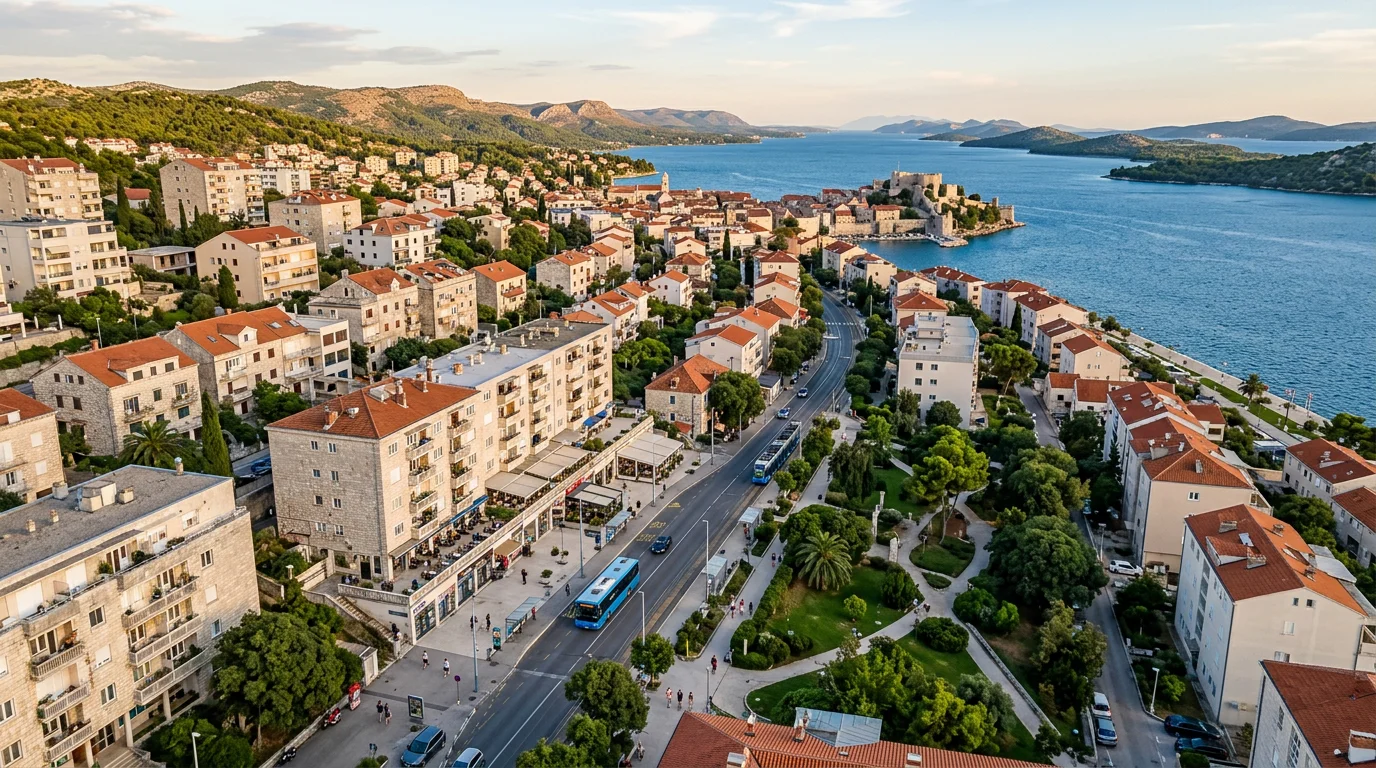
There is one characteristic of a property that cannot be changed through renovation, new furniture or better interior design: location.
Two apartments can have the same floor area, a similar age and even a very similar layout, yet have completely different prices. Sometimes the difference is only a few streets.
Why?
Because the price of a property reflects much more than the apartment itself. It also reflects what the location makes possible – how easy it is to reach work, schools or the city centre, how many amenities are nearby, what the surroundings are like, how strong demand is and how the area may develop in the future.
This is why the old real estate expression “location, location, location” still carries so much weight.
Demand is one of the main reasons prices differ
The simplest explanation for higher prices in a particular location is stronger demand relative to available supply.
When many buyers want to live in the same area and there are relatively few properties available, sellers can achieve higher prices.
This can happen particularly in central areas, near employment centres, universities, the sea or other amenities that attract residents.
But demand is not the same for every type of property.
Families may prioritise schools and parks. Young professionals may value public transport and proximity to the city centre. People working from home may prefer quiet surroundings and more space. Investors may focus on long-term or tourist rental demand.
This is why even within the same neighbourhood, different types of properties can attract different levels of demand.
Being close to the city centre is not the only definition of a good location
When we talk about expensive locations, the city centre is often the first thing that comes to mind.
But a good location does not necessarily have to be central.
A neighbourhood with good transport links, shops, schools, healthcare, parks, restaurants and other amenities can be highly desirable even if it is several kilometres from the centre.
For many buyers, what matters more is how quickly they can reach the things they need rather than the property's distance from a central point.
Location value therefore cannot be measured simply in kilometres.
An apartment five kilometres from the centre may be more practical for everyday life than one two kilometres away if it has better public transport and more amenities nearby.
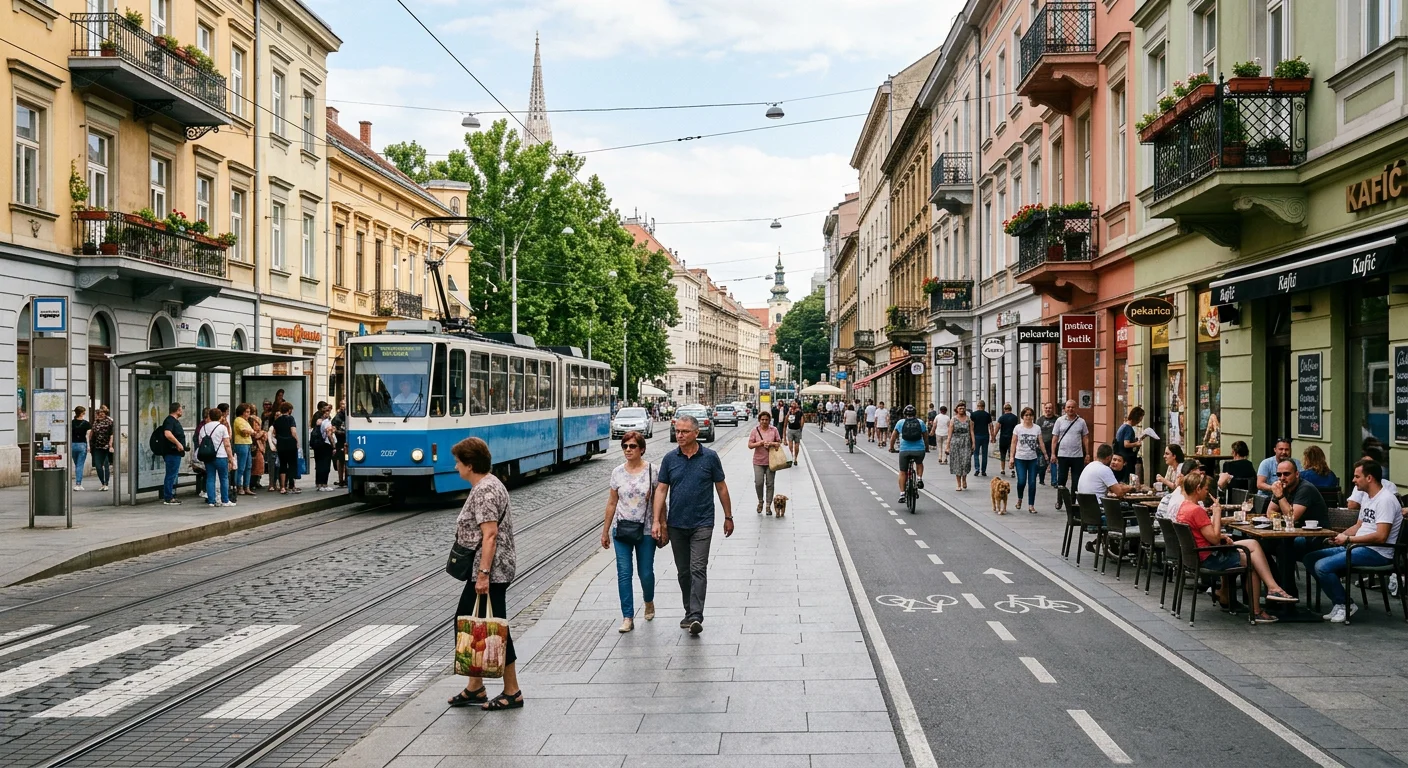
Travel time has a value too
Location determines how much time we spend travelling every day.
This is an often-overlooked part of property value.
If one location allows you to reach work in 20 minutes while another takes 50 minutes, the difference is not only the cost of transport. It represents hundreds of hours each year that can be spent differently.
The same applies to schools, nurseries, shops, sports facilities and train or bus stations.
This is why buyers may sometimes be willing to pay more for a location that provides a simpler everyday routine.
In other words, part of the price of a location is effectively the price of time.
Infrastructure can change the value of a neighbourhood
Location is not static.
A new tram line, road, school, nursery, park or business district can change how people use an area.
Improved infrastructure can make a neighbourhood accessible to more people and increase its appeal.
But development can also have downsides.
A new road may improve connectivity while increasing noise. New residential or commercial projects may bring amenities and attract demand while also changing density and the character of the neighbourhood.
That is why it can be useful to ask not only “What is here today?”, but also “What could this area look like in five or ten years?”
Views, greenery and peace have market value
Not all valuable location characteristics are related to infrastructure.
A sea view, park, forest or open landscape can be highly important to buyers.
So can a quiet street, lower traffic levels or proximity to green space.
These qualities can be difficult to quantify, but buyers recognise them through their willingness to pay more for certain properties.
It is worth distinguishing between a current view and a view that is likely to remain protected or open over time.
An apartment overlooking an empty plot may have a beautiful view today, but future development could change the outlook and level of privacy.
A view towards protected greenery or the sea may have a different long-term value.
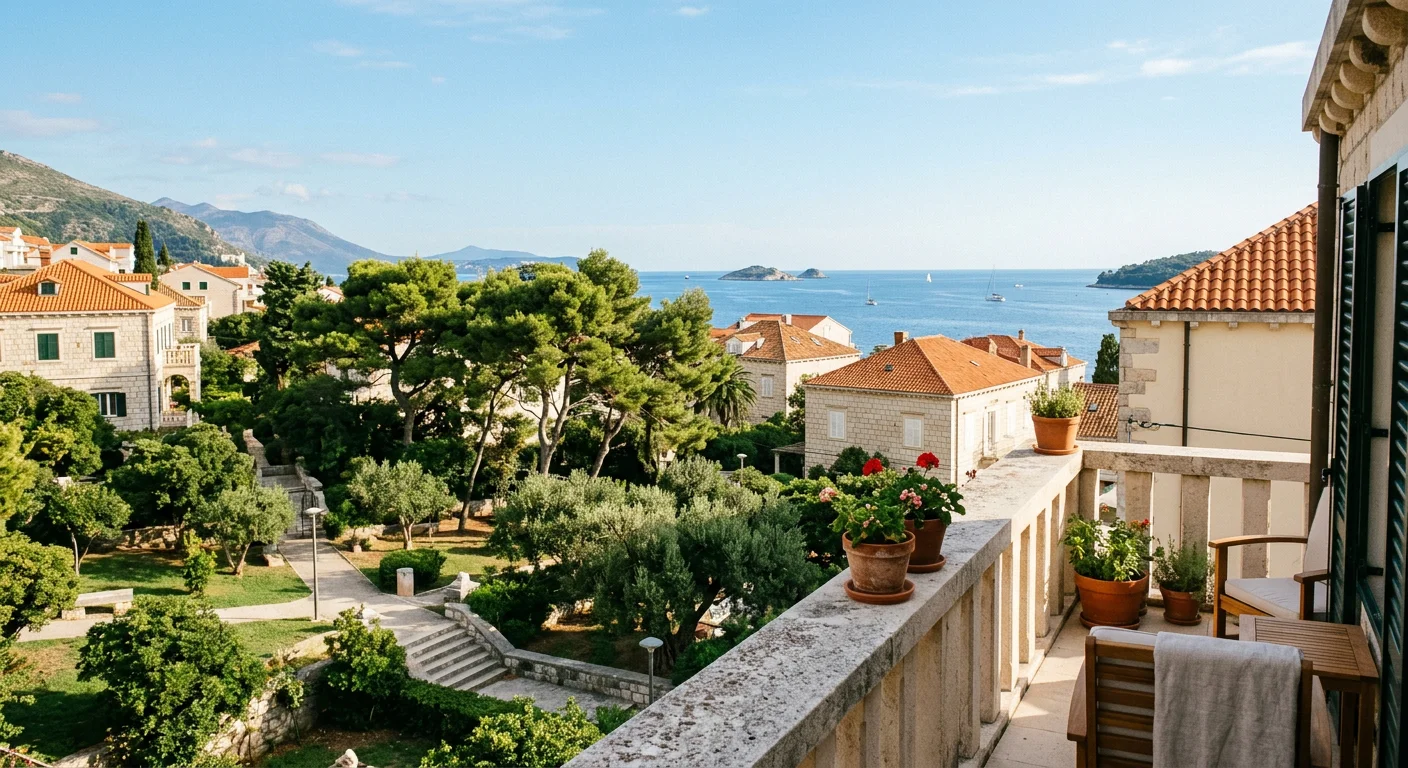
Micro-location can sometimes matter more than the neighbourhood itself
Two apartments can be in the same neighbourhood and still have very different locations.
One may be on a quiet internal street a few minutes from a park. The other may be next to a busy road.
One may face greenery, while the other looks directly into another building.
One may be a few minutes' walk from public transport, while the other is fifteen minutes away.
This is why the name of the neighbourhood is not always enough to assess value.
The micro-location – the specific street, position within the area, orientation, immediate surroundings and distance to amenities – can have a major effect on price.
That is why two listings in the same neighbourhood should not automatically be treated as directly comparable.
Why are some coastal locations particularly expensive?
Geography makes the differences between locations especially visible in Croatia.
According to August 2026 asking-price data, the average asking price for residential property in Dalmatia was €4,124 per m², compared with €1,773 per m² in the Slavonia and Baranja region. The national average asking price was €3,925 per m².
This is not simply a question of being “near the sea”.
Coastal locations can combine limited development land, strong tourist demand, interest from domestic and international buyers and the potential for tourist rental income.
Even within the coast, prices vary significantly. A property close to the sea, a historic centre or with an attractive view can have a very different value from one several kilometres inland.
A more expensive location is not automatically a better location
A more expensive location is not automatically a better location for every buyer.
Someone may be willing to pay more to live in the centre, while another person may prefer a quieter neighbourhood with a larger apartment and more greenery.
For a family, having a school and park nearby may matter more than being a few minutes from the main city square.
For an investor, rental demand may be the priority.
For someone working from home, the quality and quietness of the living space may matter more than proximity to business districts.
So the market price of a location reflects what many buyers collectively value, but it does not automatically tell an individual buyer what is the right choice for them.
Urban development can create new desirable locations
Today's most expensive locations were not necessarily the most expensive ten or twenty years ago.
Cities change.
Former industrial or peripheral areas can be transformed into desirable residential neighbourhoods. New infrastructure, business projects, public amenities and urban development can change how an area is perceived.
This is one reason why some buyers look not only at the current value of a location but also at areas that could become more attractive as a city develops.
But future development is never guaranteed.
A project may be delayed, changed or never completed. Potential future development should therefore be treated as a possibility, not as guaranteed future value.
Why do prices differ within the same city?
The Croatian Bureau of Statistics distinguishes between the City of Zagreb, the Adriatic coast and Other areas in its residential property price data. In Q1 2026, residential property prices were 14.7% higher year-on-year in Zagreb, 12.6% higher on the Adriatic coast and 18.1% higher in the Other category.
But these broad geographic categories cannot explain differences between individual neighbourhoods.
Within a single city, there can be several very different property markets.
A city centre, a quiet family neighbourhood, an area around universities and a newly developing suburb can attract different buyers and have very different levels of supply and demand.
This is why an average city price can be useful for understanding the wider market, but it is not enough to value a particular apartment.
Location also affects future property value
When you buy an apartment, you are not only buying what the location offers today.
You are also buying exposure to future changes.
A location with good infrastructure, limited supply and consistent demand may be more resilient to changes in the market than an area that depends heavily on a single large development or a very specific type of demand.
That does not mean prices will necessarily rise.
Property values can be affected by economic conditions, interest rates, demographics, new construction, regulation and many other factors.
But location determines a large part of what you cannot change after buying.
You can renovate the interior. You can replace the kitchen, flooring or bathroom.
You cannot move the street.
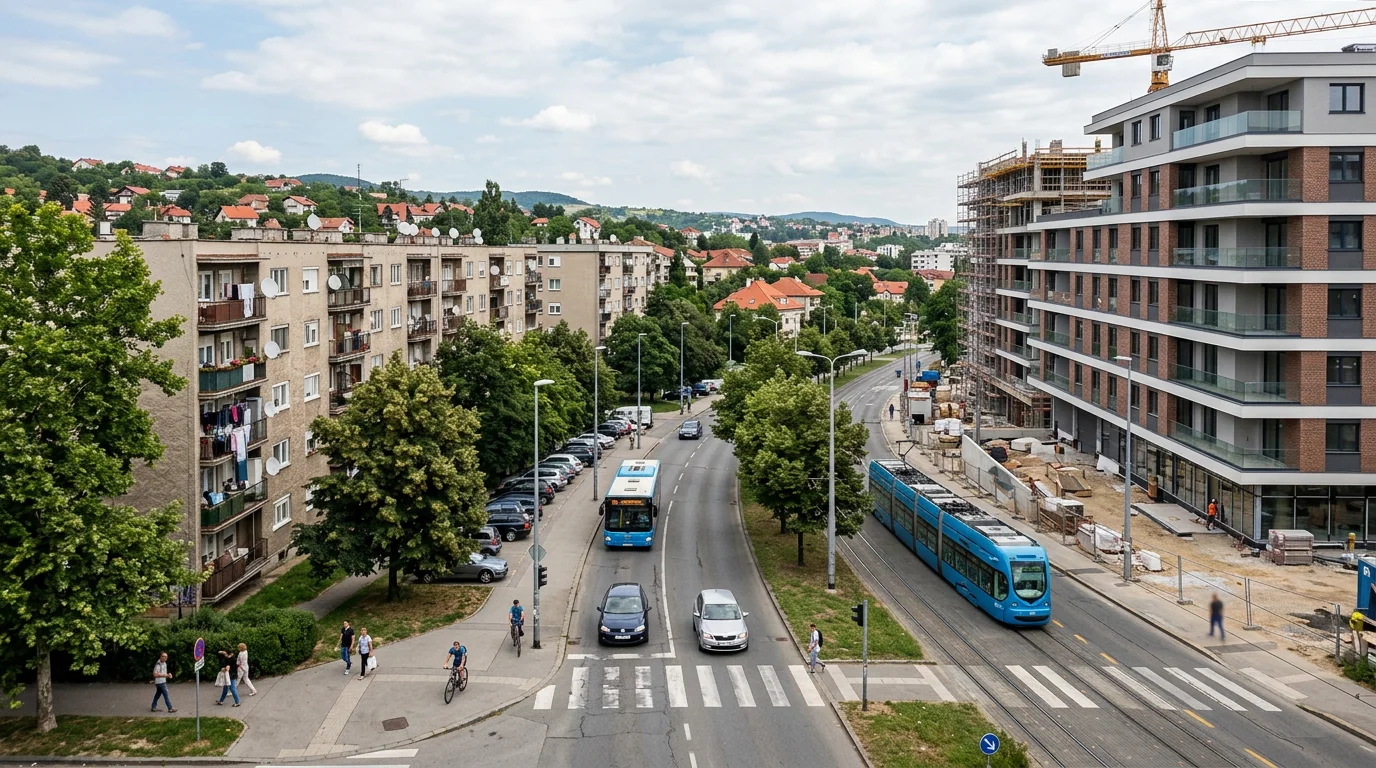
That is why a “good location” is different for everyone
Ultimately, the question of why some locations are more expensive than others has two answers.
The first is market-based: locations tend to be more expensive when demand is strong relative to supply and when they offer characteristics that many buyers value.
The second is personal: the value of a particular location to you depends on how you want to live.
A location close to the city centre may command a higher market price, but if you value peace, nature and more space, it may not represent the better choice for you.
On the other hand, if you rely on public transport, work in the city centre or want easy access to amenities, paying more for a particular neighbourhood may have a very practical reason.
That is why comparing properties should involve more than looking at the price per square metre.
You need to consider what that price is actually buying: time, accessibility, amenities, peace, views, infrastructure, potential and lifestyle.
On Loko, you can search for properties by location, price, size and other characteristics and compare apartments across different neighbourhoods and cities. Once you understand what makes a location valuable, it becomes easier to assess whether the price of a particular property makes sense for you.